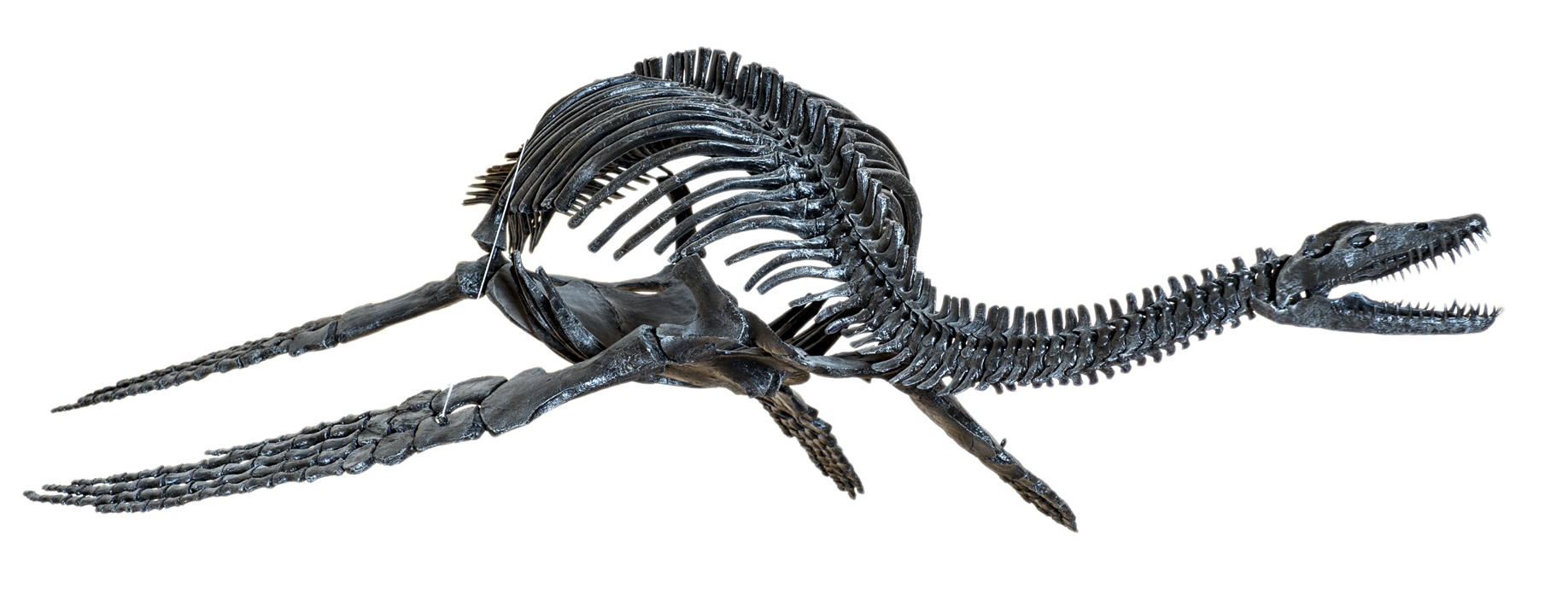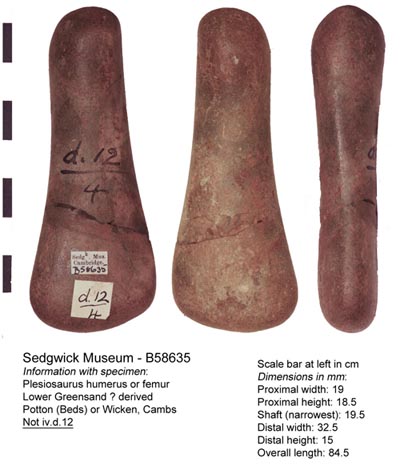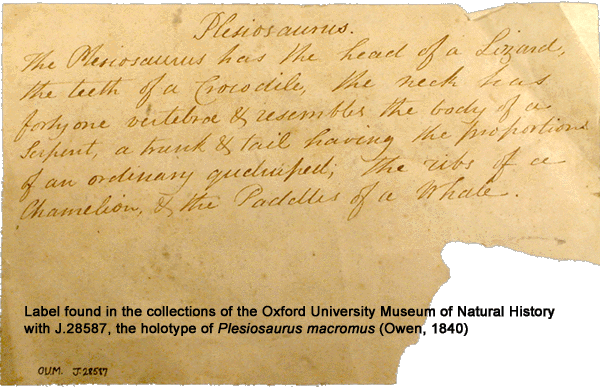
In summer 2023 a plesiosaur skeleton was offered at auction by Sotheby’s that may have looked familiar. This notable specimen is the ‘Blockley Plesiosaur’, originally offered at auction by Sotheby’s in 2010. This is a potentially significant specimen so I’m flagging it up to briefly discuss the provenance, history, and taxonomic identity of this curious skeleton.
Category «New discovery»
Pliosaurus kevani – the Weymouth Bay Pliosaur
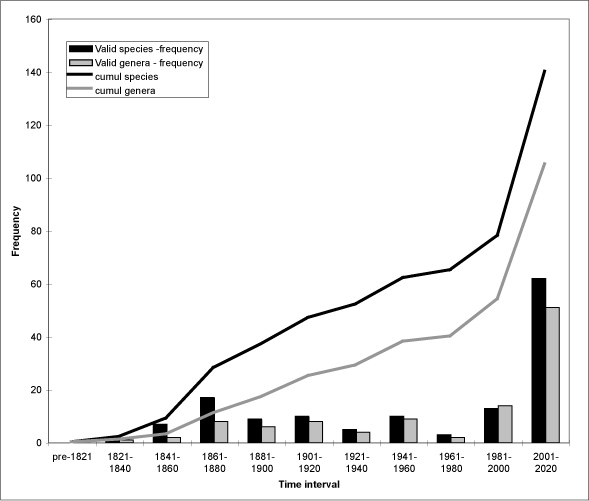
New plesiosaurs, lots of new plesiosaurs!
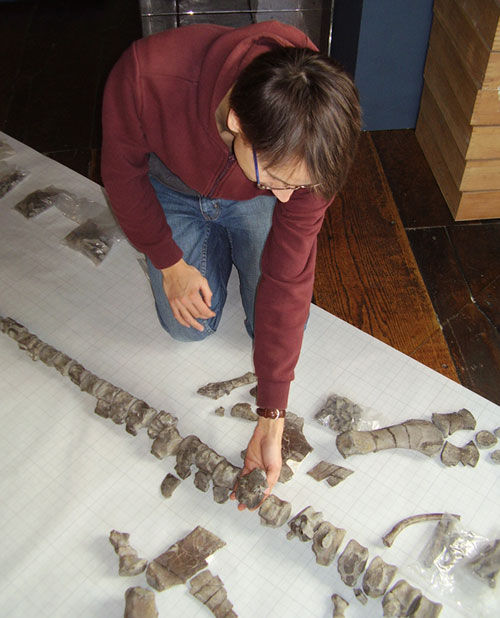
The ‘Honington plesiosaur’ goes on show at Warwickshire Museum
Most museum collections contain hidden treasures, but the Honington plesiosaur in the Warwickshire Museum is one treasure, I’m pleased to say, that is no longer hidden.
I first came across the Honington plesiosaur while working in the geological collection of the Warwickshire Museum under the supervision of Jon Radley, the curator of natural sciences.
The Planet Dinosaur plesiosaurs (part 2)
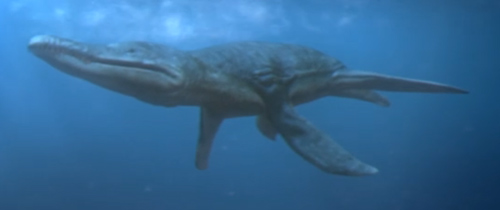
So, time for more Planet Dinosaur plesiosaurs… In part 1 of we familiarised ourselves with the taxonomy and appearance of the plesiosaurian stars of the fourth episode of the BBC’s Planet Dinosaur, ‘Fight for Life’. Now we’re all set up to pick apart, with ruthless abandon, the animators’ painstaking efforts to bring these animals to life.
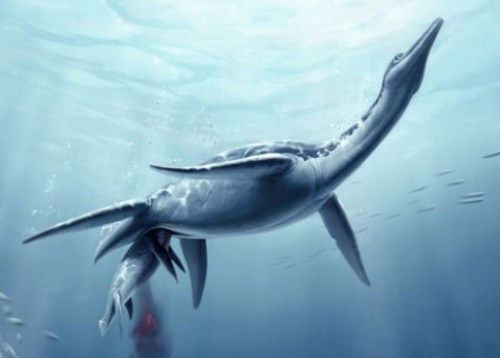
An old debate settled – plesiosaurs gave birth to live young
The Weymouth Bay Pliosaur
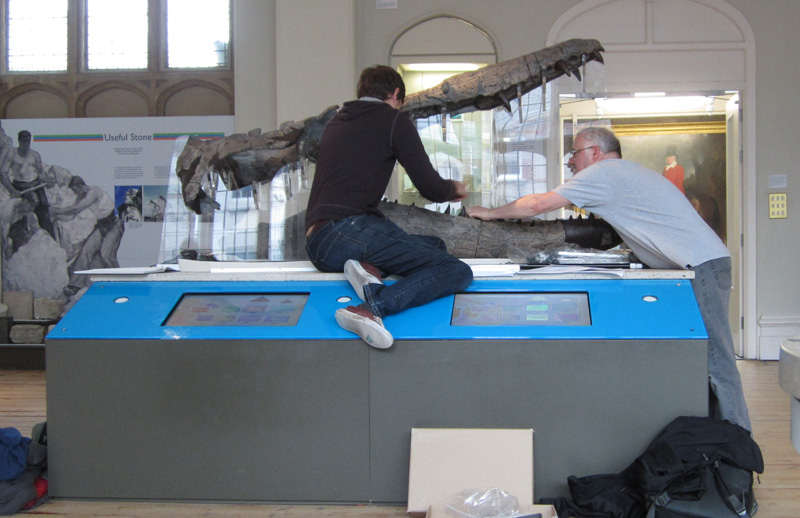
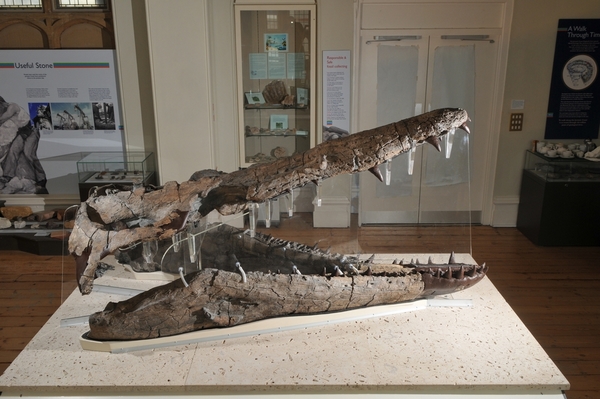
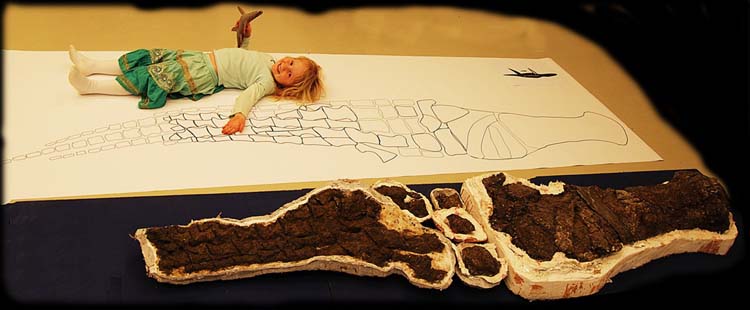
The Lottery Heritage Fund has purchased an enormous pliosaur skull from the Kimmeridge Clay of the Dorset coast.
On 8th July 2011 the pliosaur hits the media again! The new Pliosaur display in the Jurassic Coast Gallery of Dorchester County Museum will be formally opened, with David Attenborough as special guest.
Prepared ‘Kreis Hoxter plesiosaur’ is new taxon
I previously reported (see here and here) on the plesiosauroid skeleton discovered in 2007 in Kreis Hoxter, near Bielefeld, Northern Germany. The specimen was excavated from the Pliensbachian (Lower Jurassic) age strata in ten large blocks by the LWL-Museum für Naturkunde, Münsterand.