Kaiwhekea

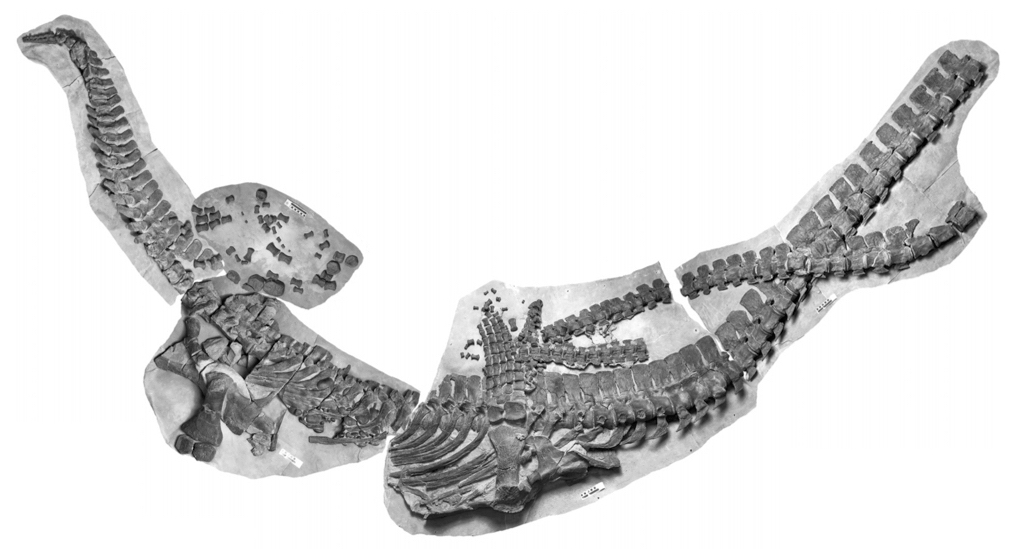
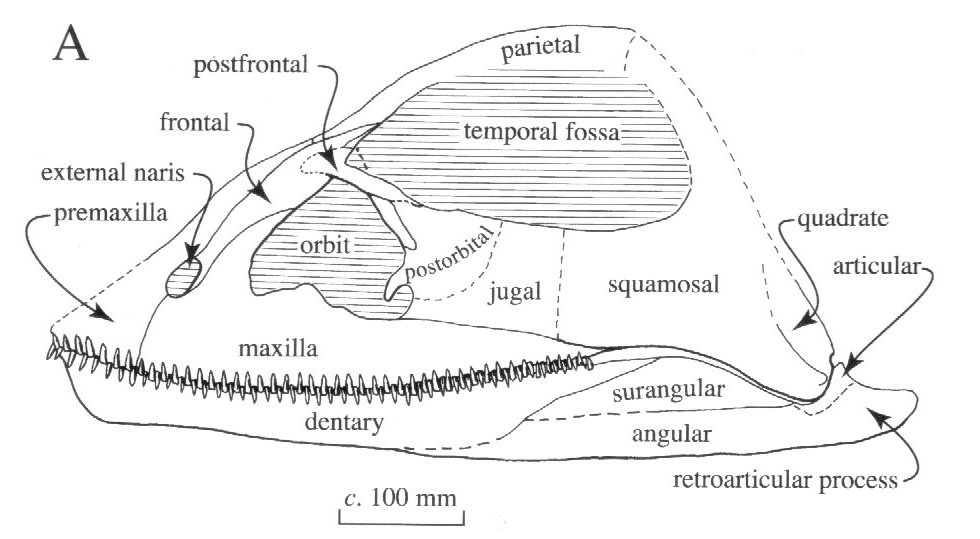
Kaiwhekea, also known as the 'Shag Point Plesiosaur', was classified as a cryptoclidid by Cruickshank and Fordyce (2002). More recent classifications regard it as an aristonectid. It has an unusually large number of small needle-like teeth and a shortened snout, much like the closely related Aristonectes. Kaiwhekea katiki is the type and…
Continue ReadingKaiwhekea

Hydrotherosaurus

Read more about the article <i>Hydrotherosaurus</i>
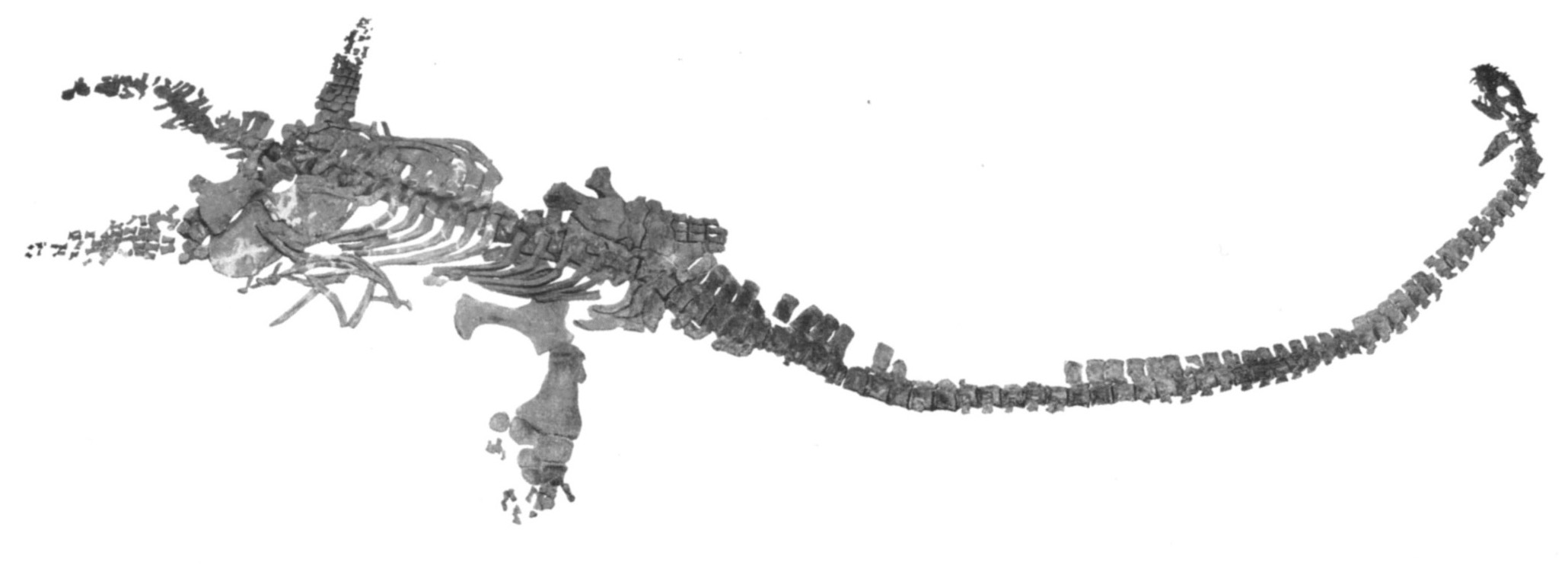
Articulated skeleton of Hydrotherosaurus. From Welles 1943.

Hydrotherosaurus is a long-necked elasmosaurid from California, USA. It is represented by one of the most complete elasmosaurid skeletons ever discovered, so Hydrotherosaurus is one of the best known members of this family. The almost complete type skeleton of Hydrotherosaurus was discovered in the Panoche Hills by Mr. Frank C. Paiva in…

Continue ReadingHydrotherosaurus

Elasmosaurus

Read more about the article <i>Elasmosaurus</i>
Skeleton of Elasmosaurus from Cope (1869, revised version)

Elasmosaurus is one of the most widely recognised plesiosaur names and has become a stereotype for all elasmosaurids. However, it is relatively poorly known. The type and only known specimen of Elasmosaurus platyurus (ANSP 10081) includes the tip of the snout, occipital condyle, and the majority of the vertebral column. It is…

Continue ReadingElasmosaurus

Aristonectes

Read more about the article <i>Aristonectes</i>
Skull of Aristonectes in various aspects. From Gasparini et al. (2003).

The mysterious plesiosaur Aristonectes is notable for its mouthful of pin-like teeth. A special feeding guild, the 'trap guild', has been proposed to accommodate Aristonectes and other plesiosaurs with similar dentition (Chatterjee and Small 1989) such as Cryptoclidus, Kimmerosaurus, and Kaiwhekea. These plesiosaurs may have fed in a similar manner to the…

Continue ReadingAristonectes

Albertonectes

Albertonectes is a very long-necked elasmosaurid from the Late Cretaceous of Alberta, Canada. The holotype specimen (TMP 2007.0110001) consists of an almost complete skeleton lacking a skull (Kubo et al. 2012). The neck contains 76 cervical vertebrae, which is a unique character of Albertonectes vanderveldei and the highest number of neck vertebrae…

Continue ReadingAlbertonectes