Nakonanectes

Read more about the article Nakonanectes
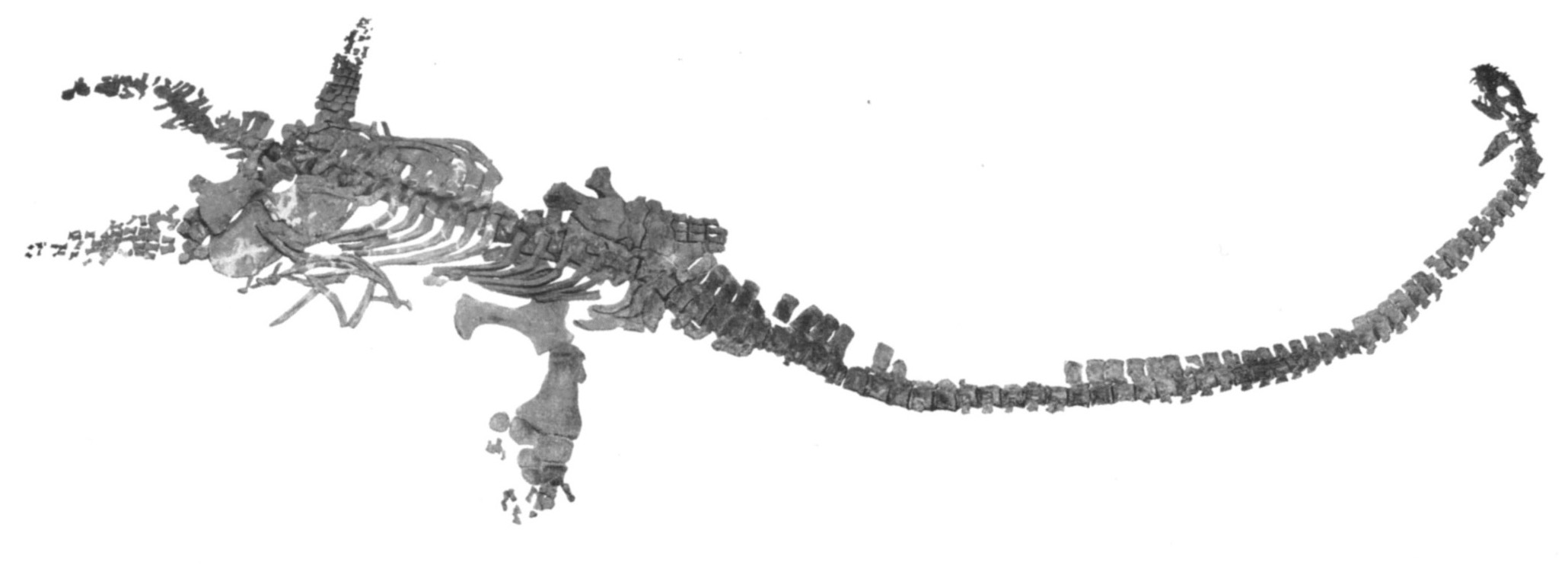
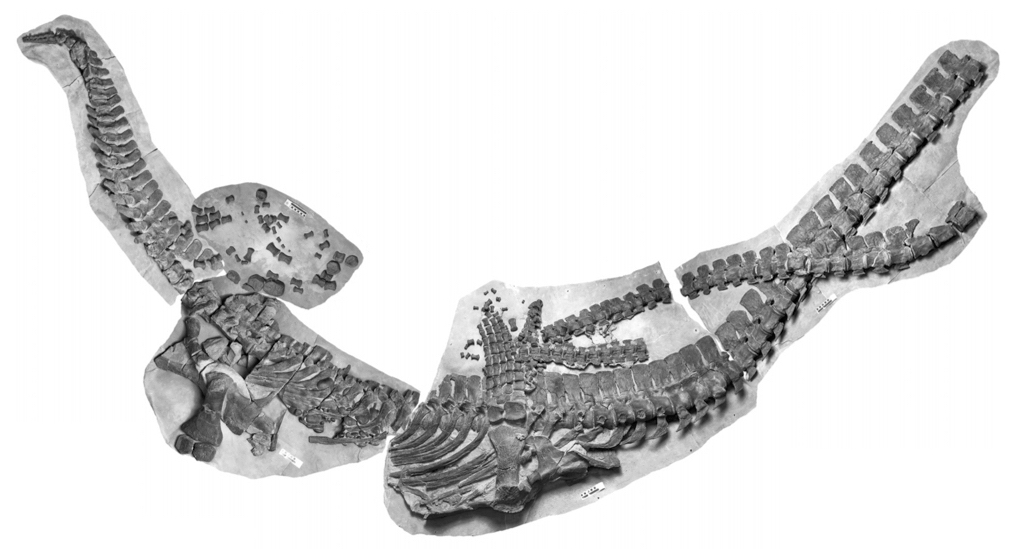
The articulated type specimen of Nakonanectes. From Serratos et al. (2017)

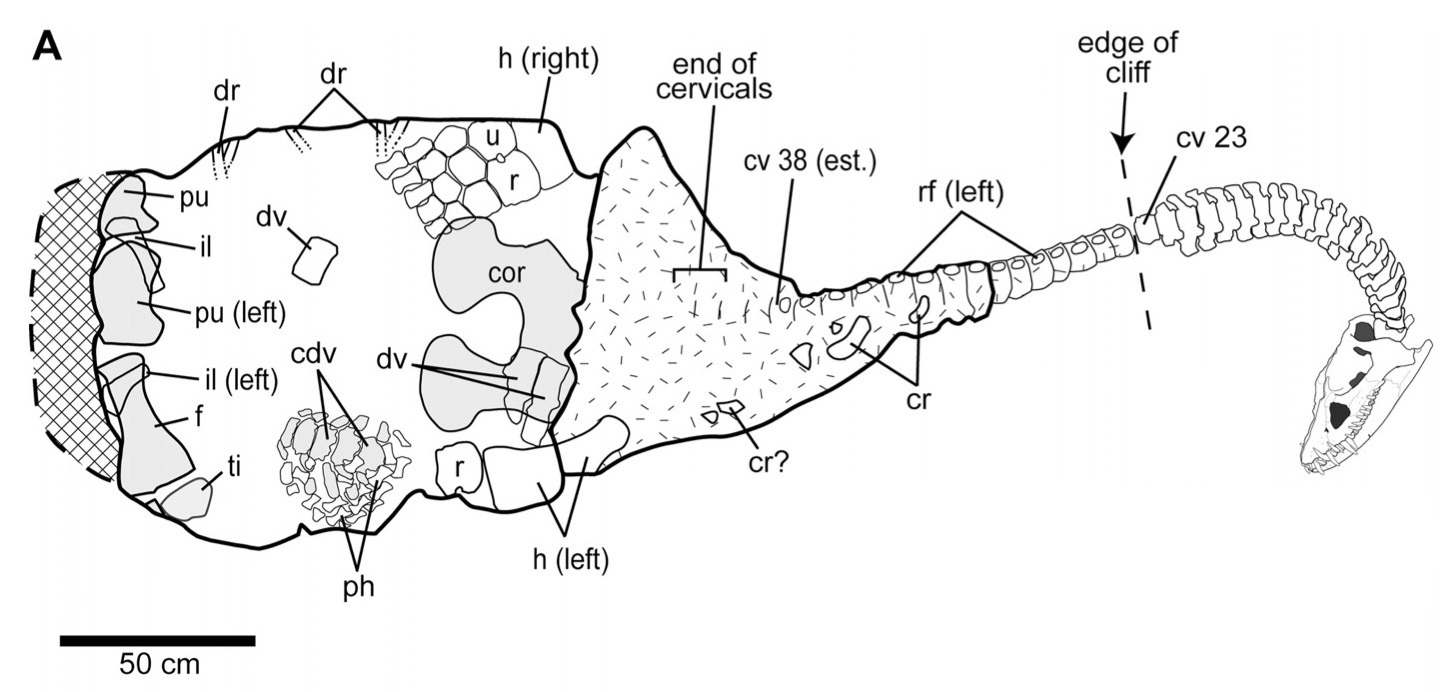
Nakonanectes is a small elasmosaurid plesiosaur from the Bearpaw Shale of Montana, USA. It is known from a single moderately complete specimen including a particularly fine skull. It has a relatively short neck for an elasmosaur consisting of 'only' 39-42 neck vertebrae. However, 16–19 of the neck vertebrae were lost in a…

Continue ReadingNakonanectes

The Plesiosaur’s Neck book – out now!

Read more about the article The Plesiosaur’s Neck book – out now!
The Plesiosaur's Neck copies

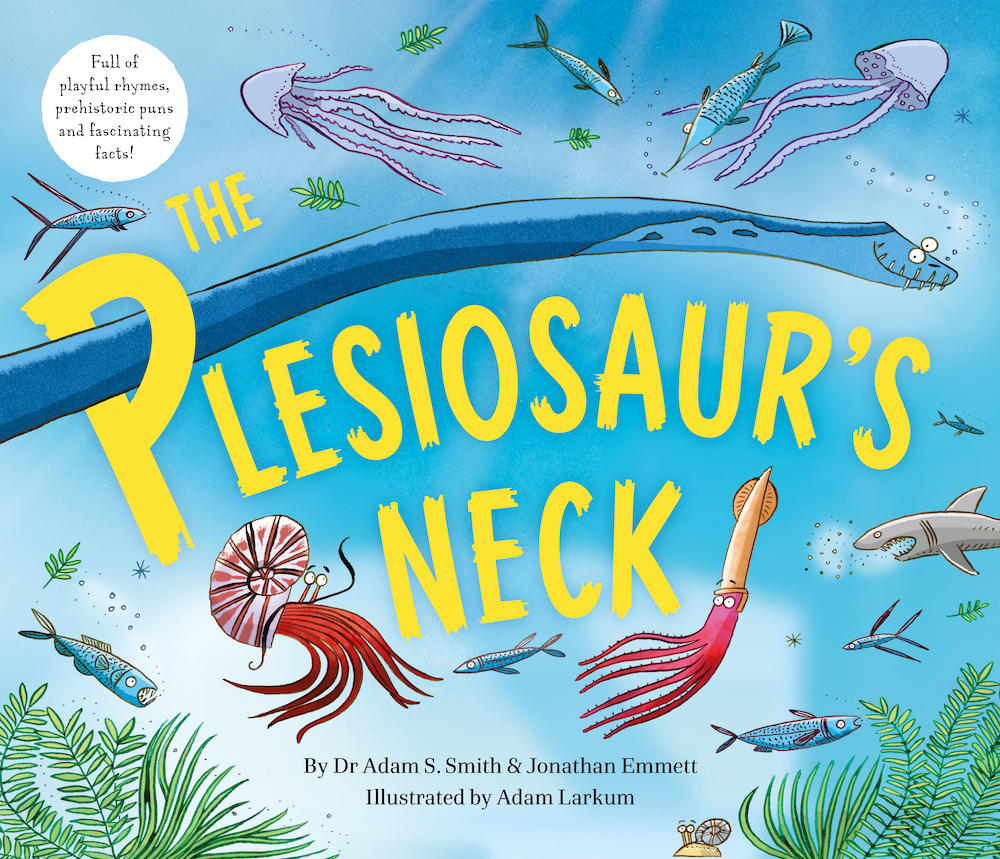
The Plesiosaur's Neck is here! Today is the official release date for my new children's book about Poppy Plesiosaur's unusually long neck. My advance author copies have arrived and it looks absolutely stunning, co-author Jonathan Emmett and I are both delighted with it. The colours pop and the cover gleams! The team…

Continue ReadingThe Plesiosaur’s Neck book – out now!

The Plesiosaur’s Neck book – coming soon!

It is with much excitement that I am able to reveal the front cover of The Plesiosaur's Neck, a new children's picture book written by Jonathan Emmett and myself. The book, illustrated by the excellent Adam Larkum, is being published by UCLan Publishing. Now available for pre-order from Amazon.co.uk, Hive.co.uk, Waterstones.com “There’s…

Continue ReadingThe Plesiosaur’s Neck book – coming soon!

Woolungasaurus

Read more about the article Woolungasaurus
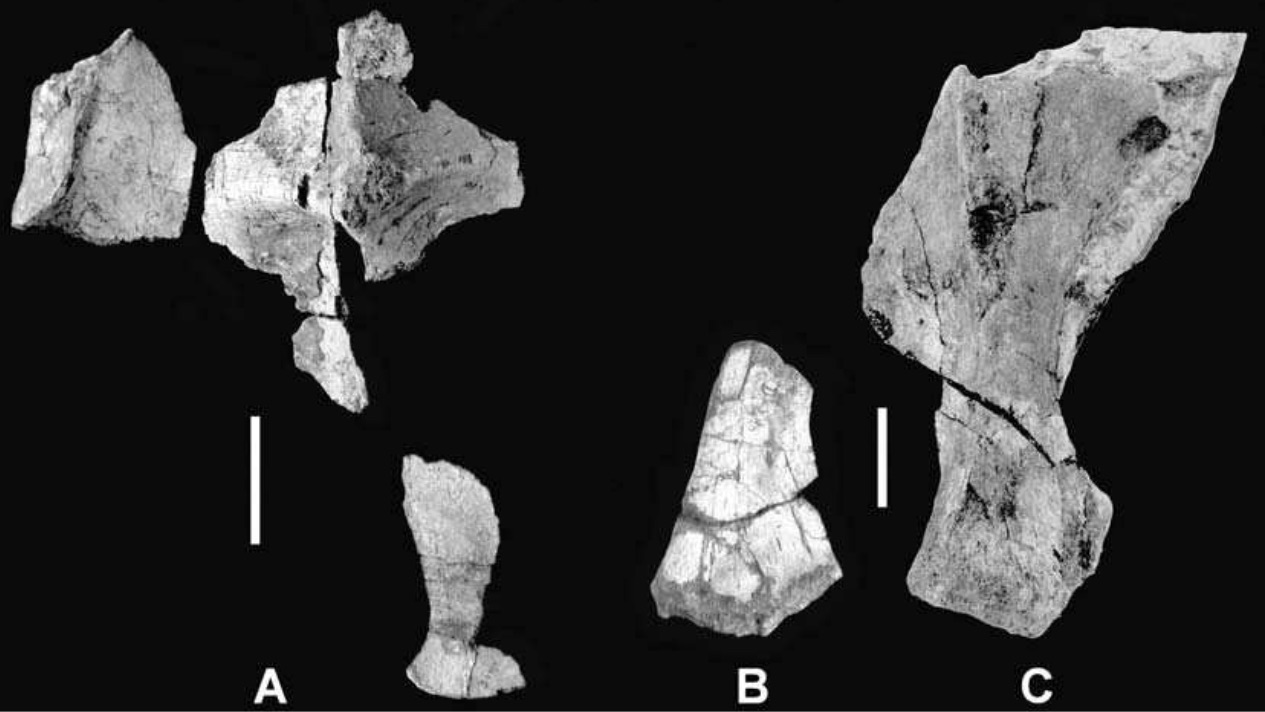
Pectoral girdle elements of 'Woolungasaurus' (QMF3567) from Sachs (2004)

Sachs (2004) regarded 'Woolungasaurus' as a junior synonym of Styxosaurus and assigned the type species ('W. glendowerensis') to that genus under the new combination 'Styxosaurus glendoweresnis'. However, this placement was unsupported by unambiguous apomorphic characters (Kear 2007). Since 'Woolungasaurus' has no unique diagnostic characters, Kear (2005) reassigned all specimens of it to…

Continue ReadingWoolungasaurus

Styxosaurus

Read more about the article Styxosaurus
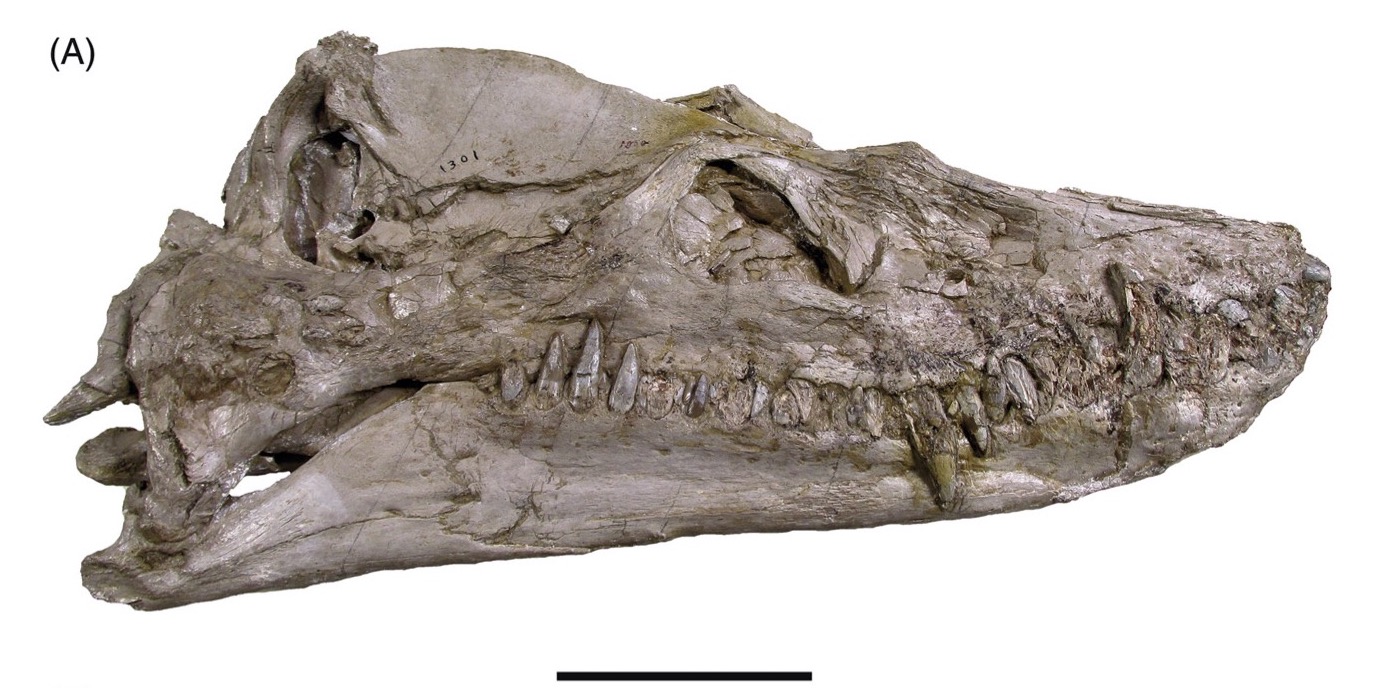
Styxosaurus snowii holotype skull, right side. Scale bar = 10cm. From Sachs et al. (2018).

The holotype specimen (KUVP 1301) of Styxosaurus is an articulated skull and anterior portion of the neck. It was found in the Niobrara Chalk near Hell Creek, Logan County, Western Kansas in 1890. It was described later that year as a new species Cimoliosaurus snowii by Williston (1890a) (and in more detail soon…

Continue ReadingStyxosaurus

Ogmodirus

Read more about the article Ogmodirus
'Ogmodirus' flipper (from Williston & Moodeie, 1917)

The type skeleton of 'Ogmodirus' was collected in 1909 by C. Boyce from the upper Greenhorn Limestone Formation (Lower Turonian, Upper Cretaceous) of Cloud County (near Aurora), Kansas (Storrs 1999, Schumacher and Everhart 2005). The specimen, KUVP 441, is a partial skeleton consisting of partial vertebral column (51 cervical vertebrae, 18 caudal vertebrae),…

Continue ReadingOgmodirus

Elasmosauridae

Read more about the article Elasmosauridae
Skeleton of Hydrotherosaurus in lateral view, from Welles (1943).

Thalassomedon (AMNH 29878), American Museum of Natural History, New York The Elasmosauridae is a group of very long-necked plesiosaurs. They form a major component of Late Cretaceous plesiosaur assemblages. The definition of Elasmosauridae has changed in recent years as our understanding of plesiosaur evolution has improved. Older definitions included many Jurassic long-necked…

Continue ReadingElasmosauridae

Morturneria

Read more about the article Morturneria
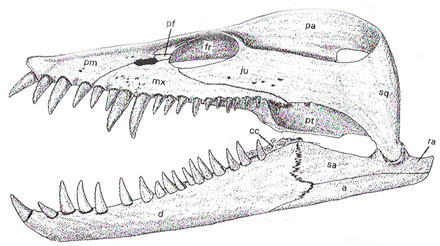
Skull of Morturneria in lateral view. From Chaterjee and Small (1989).

The taxon was originally named 'Turneria seymourensis' by Chatterjee and Small (1989) but this genus was preoccupied and so Chatterjee and Creisler (1994) later revised the name to Morturneria seymourensis. The holotype specimen is TTU P 9219, an incomplete skull and mandible plus associated cervical vertebrae, from the Lopez de Bertodano Formation…

Continue ReadingMorturneria

Hydrotherosaurus

Read more about the article Hydrotherosaurus
Articulated skeleton of Hydrotherosaurus. From Welles 1943.

Hydrotherosaurus is a long-necked elasmosaurid from California, USA. It is represented by one of the most complete elasmosaurid skeletons ever discovered, so Hydrotherosaurus is one of the best known members of this family. The almost complete type skeleton of Hydrotherosaurus was discovered in the Panoche Hills by Mr. Frank C. Paiva in…

Continue ReadingHydrotherosaurus

Elasmosaurus

Read more about the article Elasmosaurus
Skeleton of Elasmosaurus from Cope (1869, revised version)

Elasmosaurus is one of the most widely recognised plesiosaur names and has become a stereotype for all elasmosaurids. However, it is relatively poorly known. The type and only known specimen of Elasmosaurus platyurus (ANSP 10081) includes the tip of the snout, occipital condyle, and the majority of the vertebral column. It is…

Continue ReadingElasmosaurus

Aristonectes

Read more about the article Aristonectes
Skull of Aristonectes in various aspects. From Gasparini et al. (2003).

The mysterious plesiosaur Aristonectes is notable for its mouthful of pin-like teeth. A special feeding guild, the 'trap guild', has been proposed to accommodate Aristonectes and other plesiosaurs with similar dentition (Chatterjee and Small 1989) such as Cryptoclidus, Kimmerosaurus, and Kaiwhekea. These plesiosaurs may have fed in a similar manner to the…

Continue ReadingAristonectes

Albertonectes

Albertonectes is a very long-necked elasmosaurid from the Late Cretaceous of Alberta, Canada. The holotype specimen (TMP 2007.0110001) consists of an almost complete skeleton lacking a skull (Kubo et al. 2012). The neck contains 76 cervical vertebrae, which is a unique character of Albertonectes vanderveldei and the highest number of neck vertebrae…

Continue ReadingAlbertonectes