

Polycotylids are a clade of relatively small-bodied, typically snort-necked, long-snouted plesiosauroids, from the Cretaceous Period.
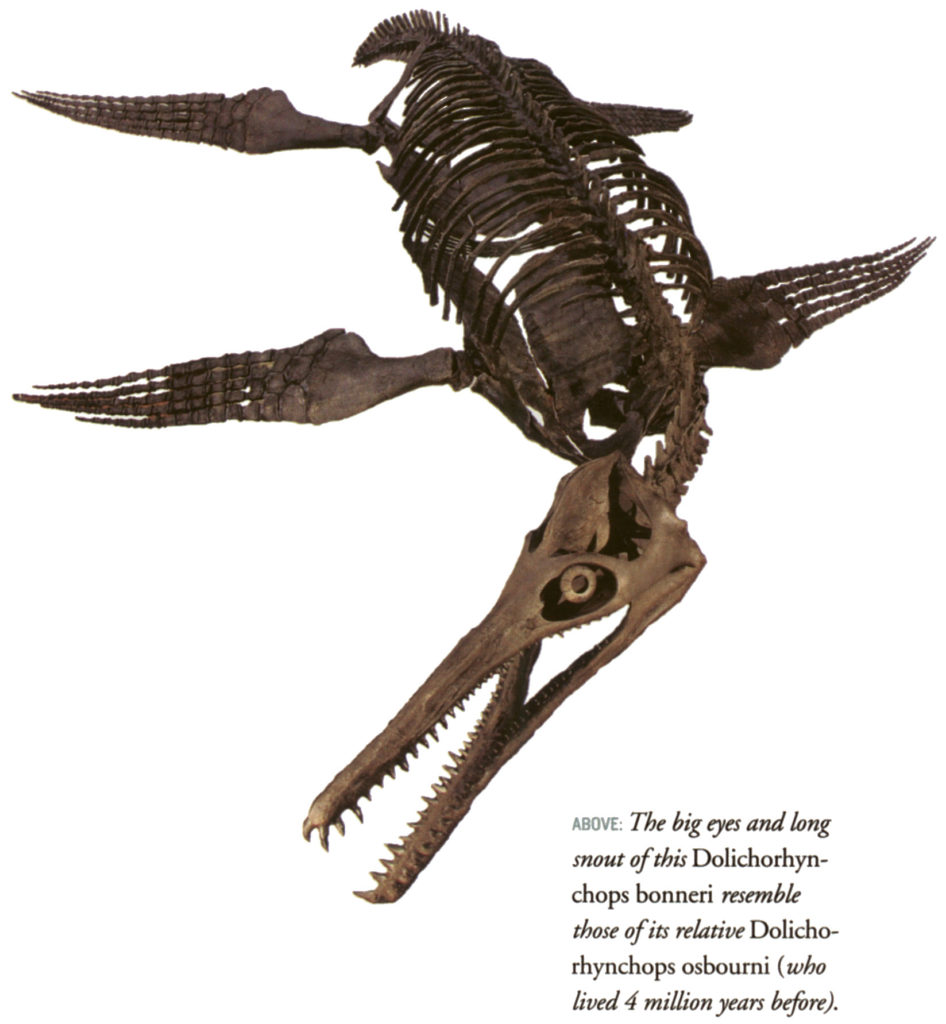
They were traditionally classified as pliosaurs because of their short necks and relatively large heads. However, cladistic analyses taking into account a broader suite of anatomical characters have shown they are plesiosauroids, more closely related to long-necked elasmosaurids and cryptoclidids than to pliosaurs. The discovery of a relatively long-necked polycotylid, Serpentisuchops, in 2022 (Persons et al. 2022) showed that polycotylids had a greater diversity of body plans than previously thought.
All polycotylids share a number of features including an elongate rostrum and a short postorbital region. They had a worldwide distribution in the Cretaceous Period.
Classification
Polycotylids form a sister relationship with leptocleidids, together forming the clade Leptocleidia. Some classifications further divide dirived polycotylids into two subfamilies, the Palmulainae and the Polycotylinae.
Phylogeny
After Persons et al. (2022)
Polycotylid genera


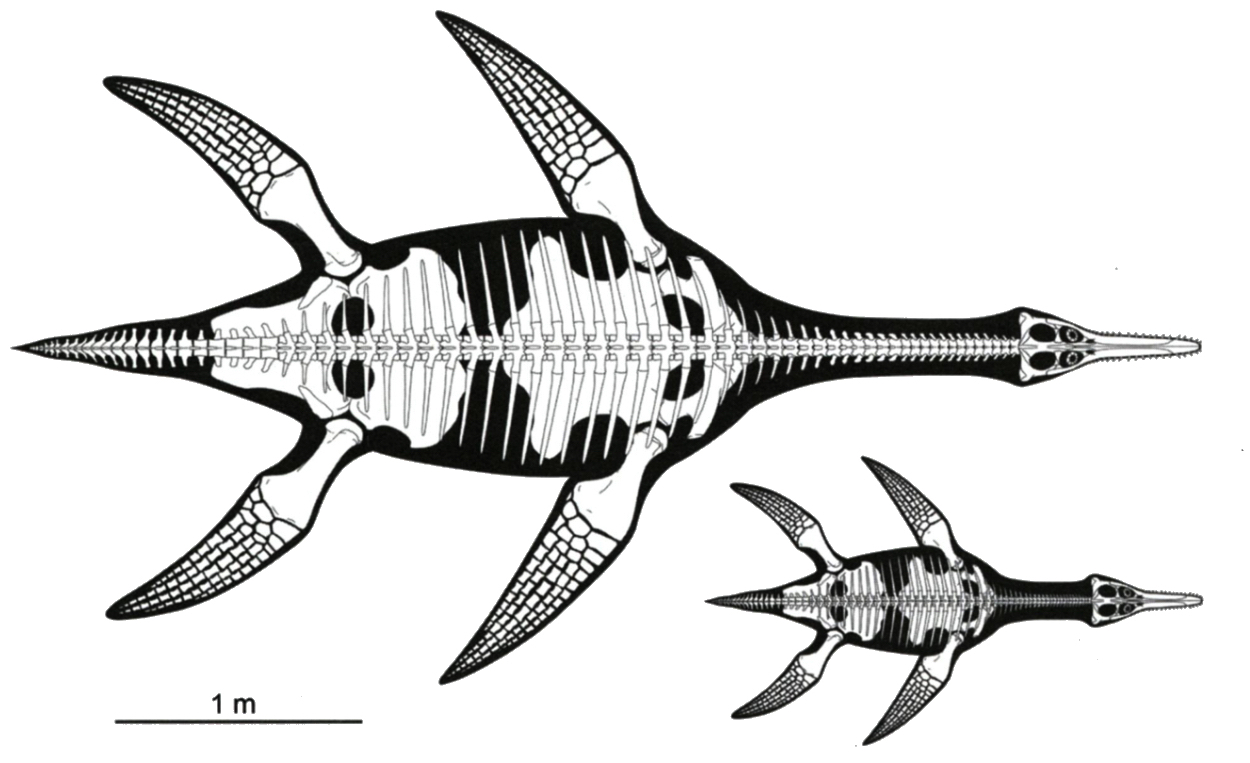
Polycotylus
Polycotylus latipinnis was the first short-necked plesiosaur to be recognised in North America (Carpenter 1996), and the first polycotylid to be described and named (Cope 1869). It was established in the same volume that coined the name Elasmosaurus and contained the infamous ‘head on the wrong end’ reconstruction (Cope 1869).
Genera not yet added to the directory:
- Dolichorhynchops
- Eopolycotylus
- Georgiasaurus
- Pahasapasaurus
- Palmulina
- Sulcusuchus
- Trinacromerum
- Martinectes