Polycotylus
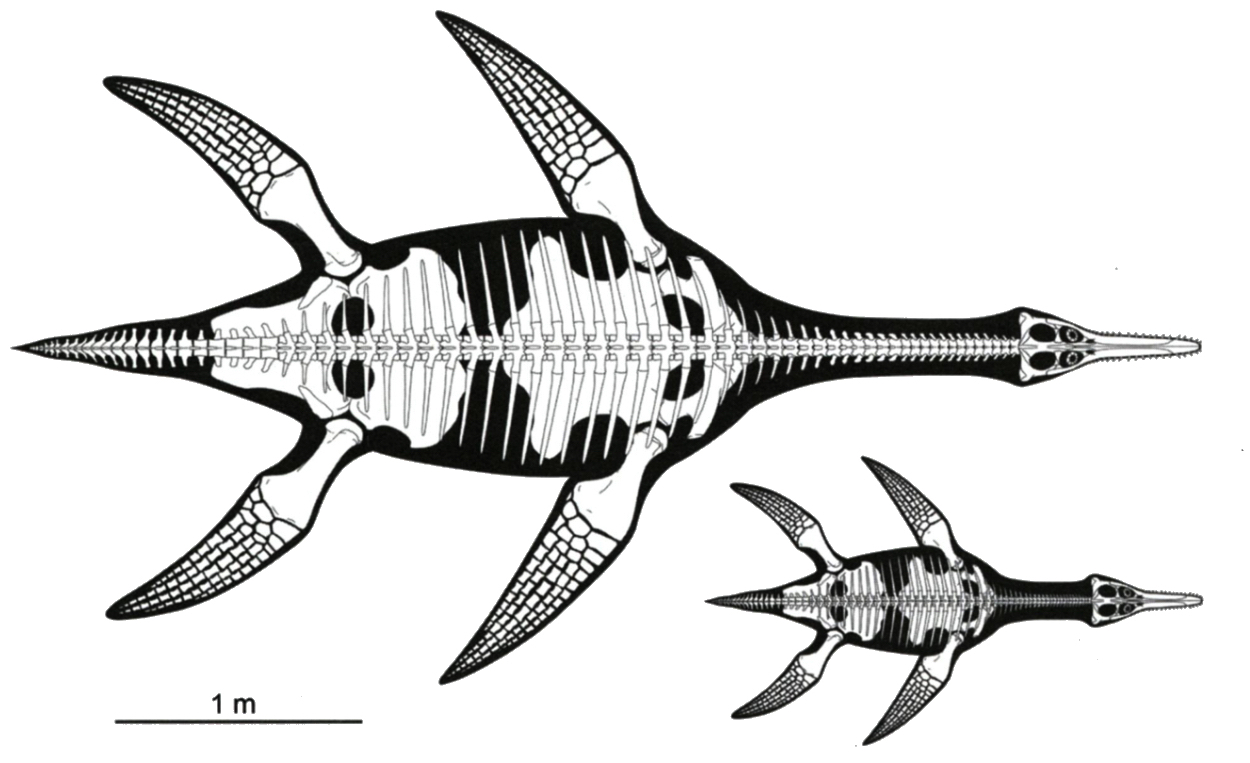
Polycotylus latipinnis was the first short-necked plesiosaur to be recognised in North America (Carpenter 1996), and the first polycotylid to be described and named (Cope 1869). It was established in the same volume that coined the name Elasmosaurus and contained the infamous ‘head on the wrong end’ reconstruction (Cope 1869). However, despite their equally long history, Polycotylus never achieved the...
Styxosaurus
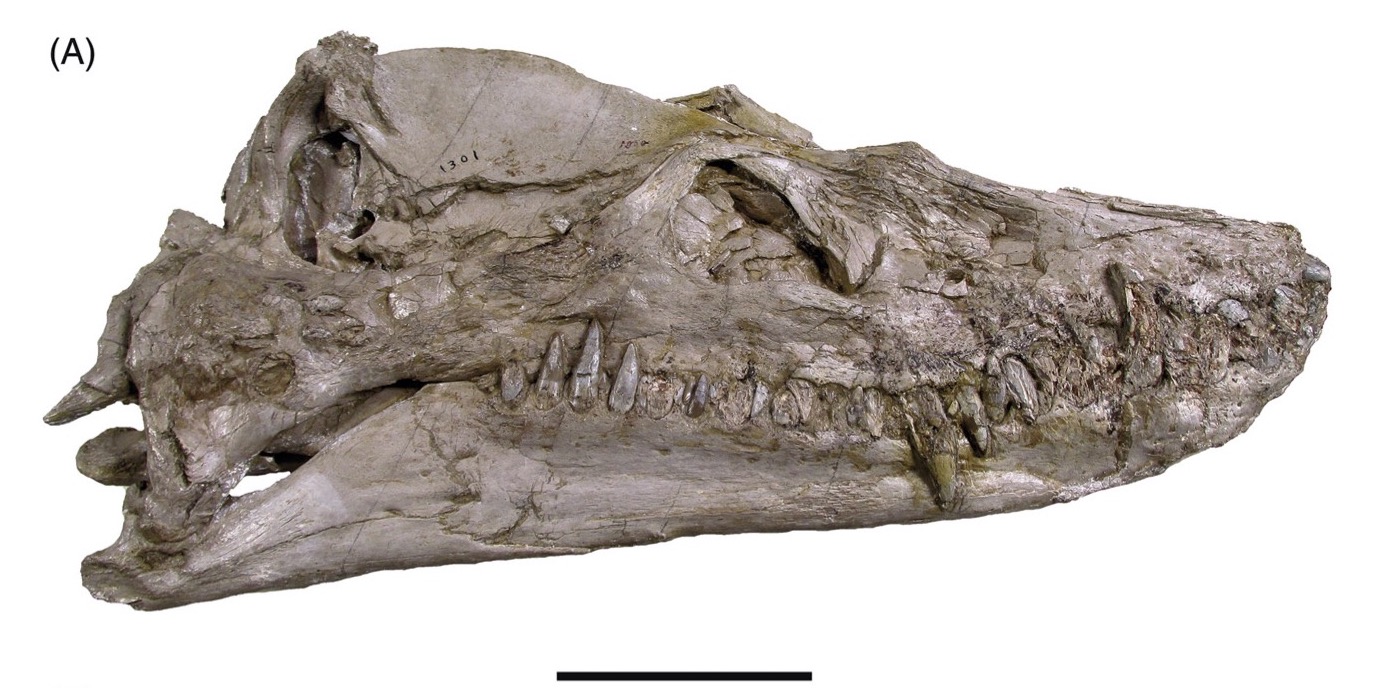
The holotype specimen (KUVP 1301) of Styxosaurus is an articulated skull and anterior portion of the neck. It was found in the Niobrara Chalk near Hell Creek, Logan County, Western Kansas in 1890. It was described later that year as a new species Cimoliosaurus snowii by Williston (1890a) (and in more detail soon after by Williston 1890b), who subsequently...
Elasmosaurus

Elasmosaurus is one of the most widely recognised plesiosaur names and has become a stereotype for all elasmosaurids. However, it is relatively poorly known. The type and only known specimen of Elasmosaurus platyurus (ANSP 10081) includes the tip of the snout, occipital condyle, and the majority of the vertebral column. It is from the Sharon Springs Member (Lower Campanian) of...
Albertonectes
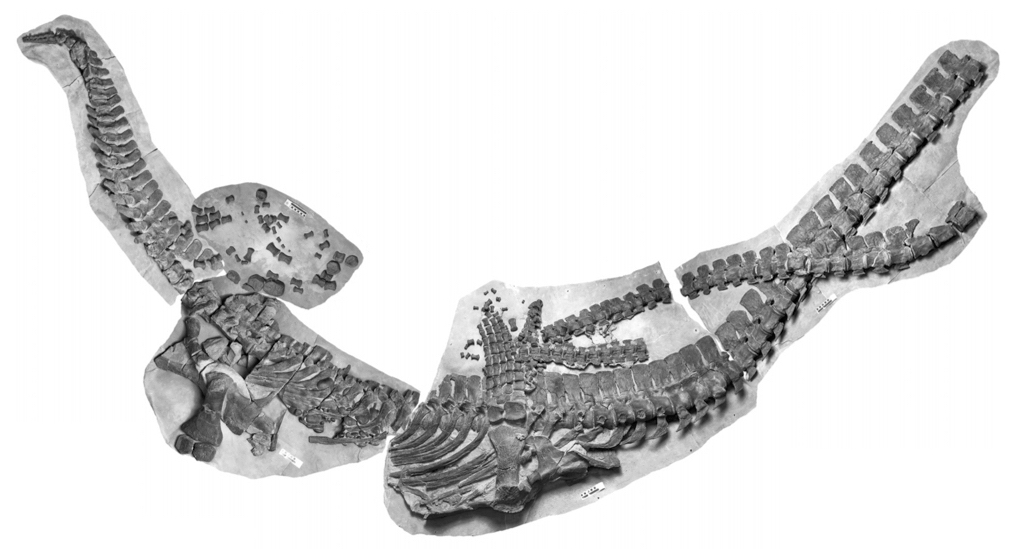
Albertonectes is a very long-necked elasmosaurid from the Late Cretaceous of Alberta, Canada. The holotype specimen (TMP 2007.0110001) consists of an almost complete skeleton lacking a skull (Kubo et al. 2012). The neck contains 76 cervical vertebrae, which is a unique character of Albertonectes vanderveldei and the highest number of neck vertebrae known for any plesiosaur, surpassing the previous record-holder...